


Checkerboard Tiles


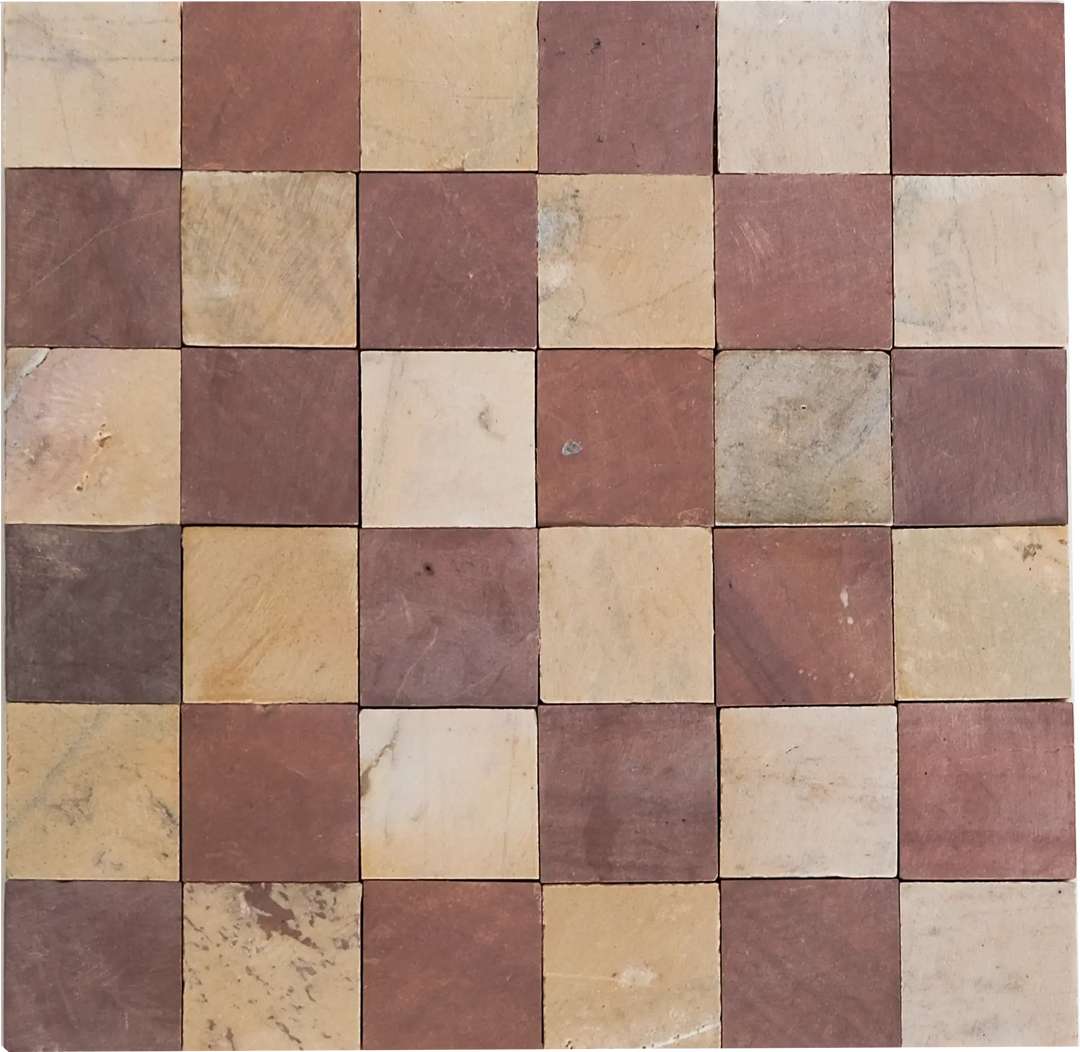
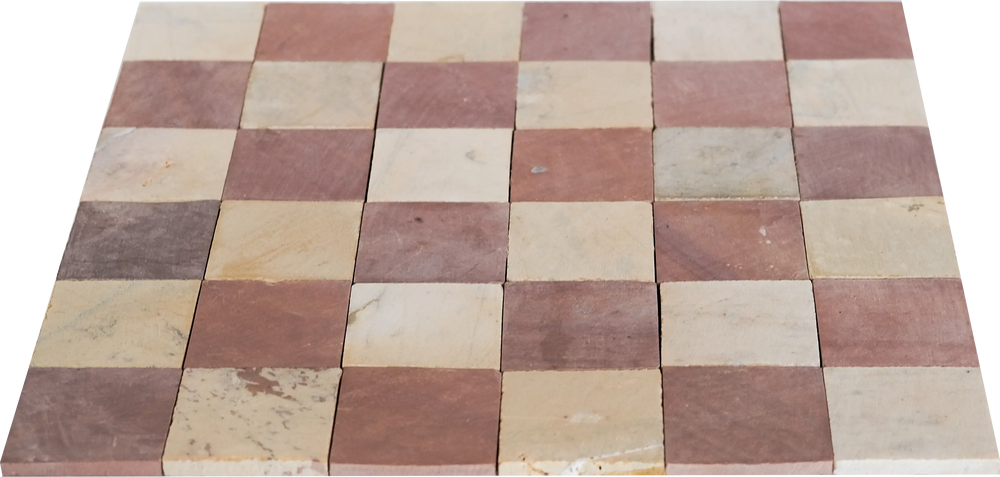
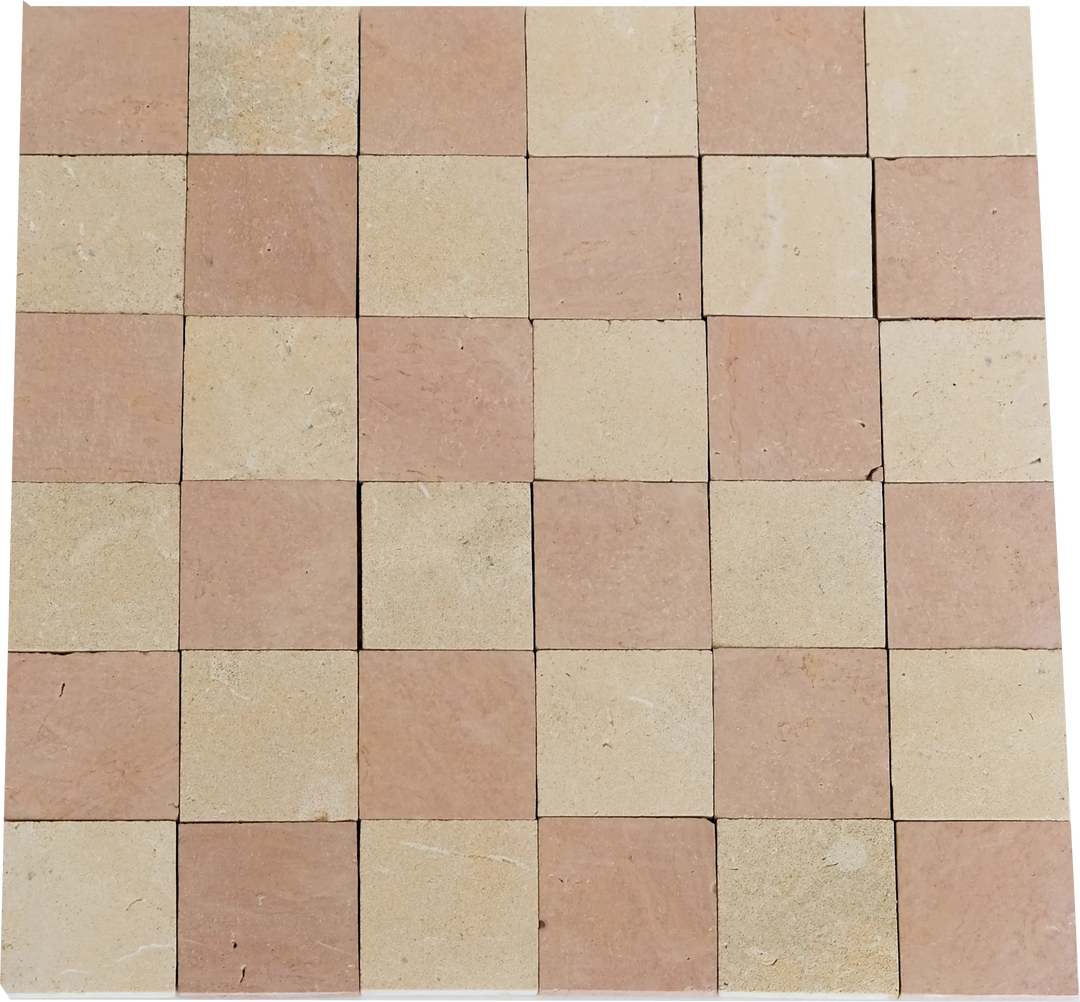
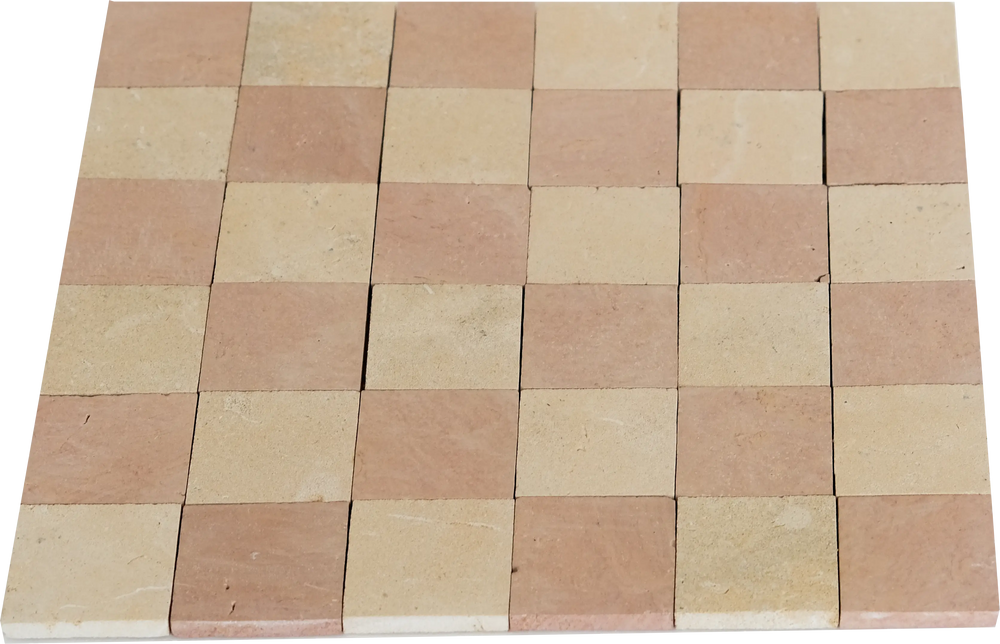


Some floors have been turning heads for five hundred years. Checkerboard tile is one of them.
The alternating square pattern is one of the oldest and most enduring motifs in Western architecture. You will find it in Renaissance courtyards, French country manors, Moroccan riads, English farmhouses, and contemporary editorial kitchens alike. It carries visual weight without overwhelming, creates rhythm without noise, and gives any floor a personality that mass-produced tile simply cannot replicate. Checkerboard tile does not follow cycles of taste. It belongs to every era simultaneously.
What you will find here is different from the checkerboard tile at a big-box store. This collection is made from natural stone (handmade 2×2 limestone mosaics cut and finished by Mediterranean artisans, and antique natural stone tile sets in marble, travertine, and limestone, each piece carrying the character only genuine stone and time can produce.) No two floors will look identical. That is the point.
Checkerboard tile works beautifully as a kitchen floor or backsplash, bathroom floor, powder room feature, entryway statement, mudroom, or laundry room. Whether you want the graphic clarity of black and white, the warmth of terracotta and sand, or the richness of antique marble in deep green and red, there is a version here that will feel exactly right.
Why Checkerboard Tile Never Goes Out of Style
Most interior trends are defined by the decade they belong to. Checkerboard tile is not. The pattern has appeared continuously in Western design since the Renaissance (in Gothic cathedrals, Baroque palaces, Georgian townhouses, Art Deco lobbies, mid-century diners, and modern Parisian apartments.) Its persistence is not nostalgia. It is geometry that happens to be correct.
Natural stone is what separates a timeless checkerboard floor from a dated one. A machine-made ceramic or porcelain checkerboard reads as graphic and modern (clean, but flat and impersonal.) The same geometry in hand-cut limestone, marble, or travertine with its natural veining, tonal variation, and surface character and reads as heritage. It looks like it was always there. That distinction explains why natural stone checkerboard tile continues to appear in high-end residential projects, boutique hotels, and designer-driven renovations where the goal is to feel collected and considered rather than trend-chasing.
In 2024 and 2025, checkerboard tile became closely associated with the 'old money' interior aesthetic and Mediterranean-influenced design. Natural stone checkerboard tile sits at the centre of both. But its current cultural moment is simply recognition of something that was always true: executed in the right material, the checkerboard pattern is inherently elegant.
Two Ways to Do Checkerboard: Mosaic Tile and Field Tile
This collection contains two distinct product types. Understanding the difference helps you choose the right format for your project.
Handmade 2×2 Limestone Mosaic Tile
The 2×2 limestone mosaics are the original Mosaics.co checkerboard. Each tile is hand-cut, hand-clipped, and hand-finished from natural limestone by skilled artisans who have been working with stone for generations. Stone scraps are carefully shaped and placed by hand (a process that takes time, judgment, and craft that machines cannot replicate.) The tiles come mesh-mounted on sheets for easier installation, with a time-worn antique finish that makes them look as if they have been living in a beautiful home for decades.
Antique Natural Stone Tile Sets 12×12
The 12×12 natural stone tile sets are a newer addition to the collection. These are individual field tiles in marble, travertine, and limestone. They are sold as tile sets in two complementary colors that you lay in the classic alternating checkerboard pattern. The larger 12×12 format creates a bolder, more architectural floor with a strong graphic presence. The antique finish across all pieces gives them an aged, lived-in character consistent with the rest of the collection.
How to Choose the Right Checkerboard Tile
Choosing checkerboard tile is as much about mood and context as it is about color. The following guide covers the five decisions that matter most.
Color Contrast: Bold or Soft?
High-contrast pairings: black and white, black and gray, green and red... These create graphic, dramatic floors with strong visual presence. They work best in larger spaces, in rooms with simple cabinetry and wall finishes, and anywhere the goal is for the floor to be the clear design statement. The 12×12 marble formats in deep, saturated colorways fall into this category.
Softer pairings: Dusty Rose and Hazy Yellow, Teal Blue and Hazy Yellow, Beige and Pink Marble, Sunset Terracotta and Sand Yellow.. These give you the structure and personality of checkerboard without the intensity. These work well in smaller rooms, spaces with already-rich finishes, or anywhere warmth is more important than drama. Softer stone tones also age more gracefully in rooms that receive a lot of natural light, where high-contrast floors can feel harsh at certain times of day.
Format: 2×2 Mosaic or 12×12 Field Tile?
The 2×2 limestone mosaics are refined, detailed, and artisan in character. The small scale creates richness and texture. Particularly effective in compact spaces like powder rooms, shower floors, and small entryways, and in kitchens where the fine grid adds warmth behind a range or across a backsplash. They come mesh-mounted, which simplifies installation.
The 12×12 natural stone tile sets are bolder and more architectural. The larger format makes a stronger graphic statement and is better suited to larger floors; main bathrooms, entry halls, kitchen floors where the bigger scale reads correctly from a distance. They require individual laying rather than sheet installation.
Stone Type: Limestone, Marble, or Travertine?
Limestone is warm, dense, and characterful. The 2×2 mosaic limestone tiles carry natural veining, slight tonal shifts, and surface texture that read as depth and warmth. They are extremely durable and handle high foot traffic well at only ¼" thickness.
Marble is the most visually varied of the three. It carries strong natural veining, contrasting mineral deposits, and a naturally polished surface character that adds luxury and movement to a floor. Marble is slightly softer than limestone and more susceptible to etching from acidic substances, so it requires careful sealing and maintenance. In return, it offers a richness and visual complexity that no other natural stone matches.
Travertine (present in the Pink Travertine and Red Marble tile set) sits between limestone and marble in character. It has a slightly more porous, earthen quality and carries warm ivory and blush tones that pair naturally with warmer marble colorways.
Finish: Antique and Time-Worn
All products in this collection carry an antique, time-worn finish. Rather than tiles that look brand-new out of the box, these are finished to look as if they have been living in a beautiful home for a long time. The antique finish softens the contrast slightly, adds warmth, and gives the floor a sense of history and permanence. It is part of what separates this collection from standard factory tile. If you prefer a more vivid, intensified version of the stone's natural color, a color-enhancing sealant applied after installation will deepen the tones without changing the surface character.
Advantages and Disadvantages of Checkerboard Tile
A clear and honest guide to what natural stone checkerboard tile does exceptionally well, and where it requires more thought.
|
Advantages |
Disadvantages |
|
Timeless pattern — used in architecture for centuries across every style era |
Bold contrast can feel busy in rooms with heavy pattern elsewhere |
|
Works in both classic and contemporary interiors without compromise |
Needs thoughtful pairing — ornate cabinetry or busy wallpaper can clash |
|
Creates strong design identity — floors that feel intentional and collected |
Natural stone is porous — sealing before and after installation is required |
|
Makes small spaces feel purposeful rather than cramped |
Wet areas need annual re-sealing; dry areas every other year |
|
Natural stone adds depth, warmth, and richness factory tile cannot replicate |
Handmade calibration variation is intentional but less uniform than factory tile |
|
Two format options: 2×2 mosaic or 12×12 field tile to suit different projects |
Checkerboard layout requires careful centering during install, plan before cutting |
|
Marble and limestone both antique beautifully: improve with age and patina |
Order 15–20% extra to cover cuts, alignment waste, and future repairs |
|
Slip-resistant (DCOF > 0.42): safe for wet floors when properly sealed |
Marble is softer than porcelain: can scratch or etch with harsh chemicals |
|
Thin profile (¼"): installs over most existing floors without height issues |
Not suitable for direct pool water contact or sustained chemical exposure |
|
Mesh-mounted mosaics simplify installation and layout alignment |
Lead times for full orders: 2–3 weeks in stock; up to 12–16 weeks if not |
What to Know Before Installing Natural Stone Checkerboard Tile
Natural stone tile rewards careful preparation. Here is everything a buyer and their installer should know before starting.
Sealing
-
Seal before and after installation. Limestone, marble, and travertine are all porous natural stones. Apply a waterproof sealant appropriate for natural stone generously, both before grouting and after. This protects against moisture, staining, and discoloration.
-
In wet areas such as bathroom floors and shower floors, re-seal once a year. In dry areas such as kitchens and entryways, re-seal every other year. The process takes under an hour and significantly extends the life and appearance of the floor.
-
For more vivid, intensified stone color, use a color-enhancing sealant rather than a standard clear sealant. This deepens the natural tones of marble and limestone without changing the surface character.
Grouting
-
Use unsanded grout appropriate for natural stone. Sanded grout can scratch softer stone surfaces including marble and travertine. Match your grout color to your design intent: a grout that closely matches the lighter stone color will soften the pattern; a contrasting grout will intensify it.
Ordering
-
Order 15–20% extra as an industry standard. Checkerboard patterns require careful centering from the midpoint of the room outward. This increases cut frequency and waste compared to straight-lay tile.
-
For the 12×12 tile sets, individual stone pieces will carry natural variation in calibration and tone. This is inherent to natural stone and not a defect. Mix tiles from across boxes during installation to distribute the variation naturally.
-
For the 2×2 limestone mosaics, pieces come mesh-mounted on sheets. Each sheet carries slight variation from the next. This is the mark of genuine handcraft and gives the floor its distinctive richness.


